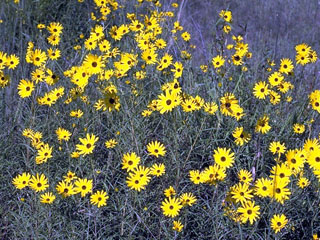
Native wetland plants are essential for maintaining ecological balance and supporting local wildlife. They are adapted to local soil and climate conditions, making them more resilient and easier to maintain compared to non-native species.
By incorporating native plants into landscaping, property owners can help restore natural habitats, improve water quality, and reduce the need for chemical fertilizers and pesticides. For example, plants like the American Sweet Flag not only enhance biodiversity but also help filter pollutants from water sources.
Choosing the Right Wetland Plants for Your Project
Selecting the appropriate wetland plants depends on various factors, including soil type, moisture levels, and sunlight exposure. Understanding these parameters will help ensure that the plants thrive in their new environment.
For instance, if a project site has consistently moist soil, species such as Soft Rush and Cattail may be ideal choices. Consulting with local experts or utilizing resources from organizations like the Georgia Green Industry Association can provide valuable insights into suitable plant selections.
Care and Maintenance of Wetland Plants
Proper care and maintenance are crucial for the longevity and health of wetland plants. Regular monitoring for pests and diseases, along with appropriate watering and pruning, can help maintain their vitality.
For example, during dry spells, it's important to ensure that drought-tolerant species receive adequate moisture. Additionally, native plants often require less maintenance than traditional landscaping options, making them a cost-effective choice for property owners.
Impact of Wetland Plants on Local Ecosystems
Wetland plants play a vital role in their ecosystems by providing habitat and food for various wildlife species. They also help stabilize shorelines and reduce erosion, contributing to the overall health of aquatic environments.
For example, Pickerelweed and Lizard’s Tail not only support fish and amphibian populations but also contribute to the filtration of water, enhancing the quality of surrounding habitats. Promoting the use of these plants can lead to healthier ecosystems and improved biodiversity.
Benefits of Using Native Wetland Plants
Native wetland plants are essential for maintaining ecological balance and supporting local wildlife. They are adapted to local soil and climate conditions, making them more resilient and easier to maintain compared to non-native species.
By incorporating native plants into landscaping, property owners can help restore natural habitats, improve water quality, and reduce the need for chemical fertilizers and pesticides. For example, plants like the American Sweet Flag not only enhance biodiversity but also help filter pollutants from water sources.
Choosing the Right Wetland Plants for Your Project
Selecting the appropriate wetland plants depends on various factors, including soil type, moisture levels, and sunlight exposure. Understanding these parameters will help ensure that the plants thrive in their new environment.
For instance, if a project site has consistently moist soil, species such as Soft Rush and Cattail may be ideal choices. Consulting with local experts or utilizing resources from organizations like the Georgia Green Industry Association can provide valuable insights into suitable plant selections.
Care and Maintenance of Wetland Plants
Proper care and maintenance are crucial for the longevity and health of wetland plants. Regular monitoring for pests and diseases, along with appropriate watering and pruning, can help maintain their vitality.
For example, during dry spells, it's important to ensure that drought-tolerant species receive adequate moisture. Additionally, native plants often require less maintenance than traditional landscaping options, making them a cost-effective choice for property owners.
Impact of Wetland Plants on Local Ecosystems
Wetland plants play a vital role in their ecosystems by providing habitat and food for various wildlife species. They also help stabilize shorelines and reduce erosion, contributing to the overall health of aquatic environments.
For example, Pickerelweed and Lizard’s Tail not only support fish and amphibian populations but also contribute to the filtration of water, enhancing the quality of surrounding habitats. Promoting the use of these plants can lead to healthier ecosystems and improved biodiversity.